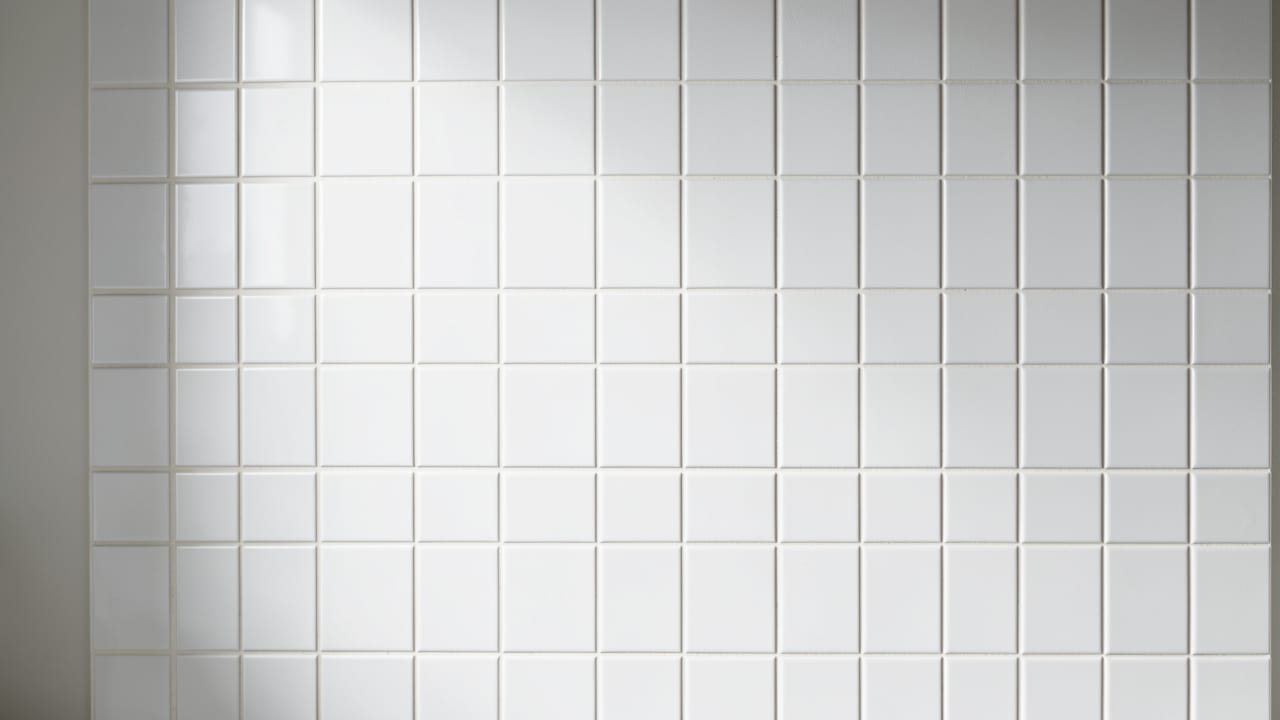
Tile & Grout Mold Cleanup
Professional removal of mold from tile and grout surfaces in bathrooms, kitchens, and other tiled areas.
Tile and grout mold cleanup in Lehi, UT, targets black, green, or white mold growth in tiled areas caused by excess moisture. This process involves deep cleaning, sanitizing, and sealing grout lines to prevent regrowth in showers, backsplashes, or floors, while ensuring proper containment and safety protocols are followed.
When tile & grout mold cleanup is needed
Mold growth on tile and grout often signals a deeper moisture issue. Visible signs include discoloration, musty odors, or recurring mold after cleaning. If the affected area exceeds a small patch—such as more than 25 square feet—or keeps returning, professional remediation is recommended.
We also handle Crawl Space & Basement Mold Remediation and Attic Mold Remediation for Lehi properties.
Hidden mold in walls, under flooring, or within ductwork may also require professional attention. A musty smell that worsens when HVAC runs or persists in damp rooms like windowless bathrooms or basements can indicate hidden growth that needs addressing.
Signs You Need Mold Cleanup
- Mold covers more than a small, isolated patch (e.g., over 25 square feet).
- Mold keeps returning after cleaning, suggesting a moisture source wasn’t fixed.
- A musty smell exists with no visible mold, possibly indicating hidden growth.
- The smell intensifies when the HVAC system turns on, hinting at ductwork contamination.
What affects pricing and timing?
The cost of tile and grout mold cleanup varies based on the size of the affected area, the type of mold, and whether hidden moisture sources require additional work. Black mold typically increases costs by 15-25% due to the extra precautions needed.
Jobs that involve structural drying, containment, or clearance testing may take longer and cost more. The scope of work—such as sealing grout lines or repairing moisture issues—also impacts the final price.
Key questions to ask before hiring
Not all mold cleanup services follow the same protocols. Asking the right questions ensures you choose a provider that prioritizes safety, thoroughness, and long-term prevention. Clarity upfront helps avoid unexpected costs or incomplete work.
Focus on containment methods, clearance testing, and whether the moisture source will be addressed. These details determine whether the job will be effective and whether mold returns later.
| Question to Ask | Why It Matters |
|---|---|
| Does the estimate include containment, remediation, and clearance testing? | Containment and testing are critical to prevent spread and confirm the job’s effectiveness. |
| Is the moisture source part of the scope, or just the visible mold? | Fixing the source prevents regrowth, while treating only the symptom often leads to recurrence. |
| Will a third-party lab test confirm clearance after the work? | Independent testing ensures the space is truly mold-free, not just visually clean. |
| Is the square footage or area being treated clearly specified? | Vague estimates make it hard to compare bids or understand what’s included. |
How tile & grout mold cleanup works
This process ensures mold is removed safely and thoroughly while preventing regrowth.
- 1Containment Setup
Plastic sheeting and negative-air machines seal the work area to trap airborne spores, preventing them from spreading to other parts of the home.
- 2Removal and Cleaning
Porous materials like drywall or insulation that absorb mold are cut out and bagged, while non-porous surfaces like tile and grout are scrubbed and treated with antimicrobial solutions.
- 3HEPA Filtration and Drying
HEPA air scrubbers and vacuums capture spores during cleanup, and industrial dehumidifiers dry structural materials to prevent future growth.
- 4Clearance Testing
An independent lab tests air or surfaces to confirm mold levels are back to normal before containment is removed.
Frequently asked questions
How do I know if my tile mold is serious enough to need professional cleanup?
If the mold covers more than a small patch (e.g., over 25 square feet), keeps returning after cleaning, or you notice a musty smell with no visible growth, professional remediation is likely needed. Hidden mold in walls or ductwork also requires expert attention.
Will sealing the grout prevent mold from coming back?
Sealing grout helps reduce moisture absorption, but it’s not a permanent fix on its own. The underlying moisture source—like a leak or poor ventilation—must also be addressed to prevent regrowth.
How long does the cleanup process take?
The timeline depends on the size of the affected area, whether hidden mold or moisture issues are found, and the need for drying or testing. A single room may take a few hours to a full day, while larger or complex jobs can extend over multiple days.
Do I need to leave the house during the cleanup?
Yes, containment protocols typically require you to leave the home during active remediation to avoid inhaling spores. The crew will provide guidance on when it’s safe to return.
Where Lehi sits, and what the Census lists nearby
Lehi sits in Utah, and the closest places listed in the U.S. Census Gazetteer are Highland (4 miles east), American Fork (4.8 miles southeast), Bluffdale (5.4 miles northwest), Saratoga Springs (5.5 miles southwest). Within 25 miles of Lehi the same source lists 47 distinct incorporated places and census-designated places.
Those figures matter for tile & grout mold cleanup because they are straight-line distances between Census coordinate points: road mileage between Lehi and Highland runs longer than the 4 miles shown, which is why quotes for the same job differ between towns that look close together on a map.
Source: U.S. Census Bureau Gazetteer.
See Cedar Fort, UT for more, or find out about the full mold remediation lineup we run in Lehi in detail for our complete lineup.
Ready to get started?
Talk to a local mold remediation pro in Lehi — get a written quote.
Other Mold Remediation Services in Lehi
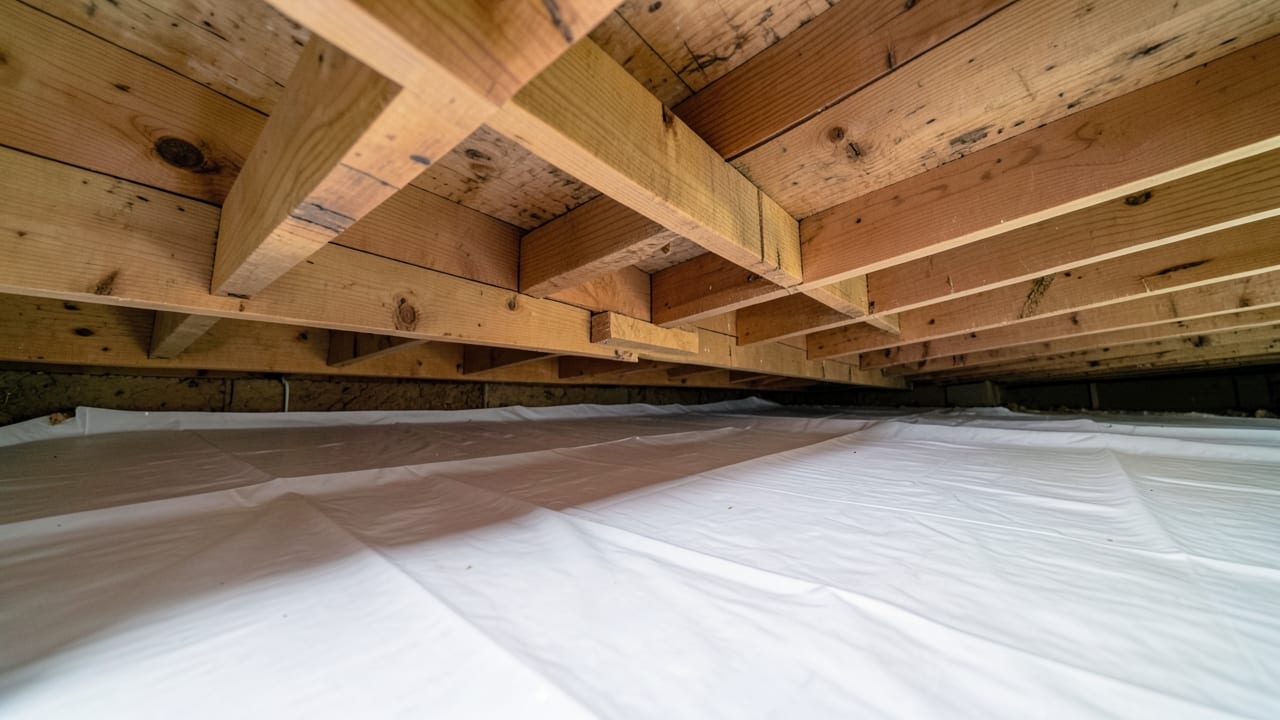
Crawl Space & Basement Mold Remediation in Lehi, UT
Crawl space and basement mold remediation in Lehi, UT addresses the two areas of a property most prone to trapped, unnoticed moisture.
Learn More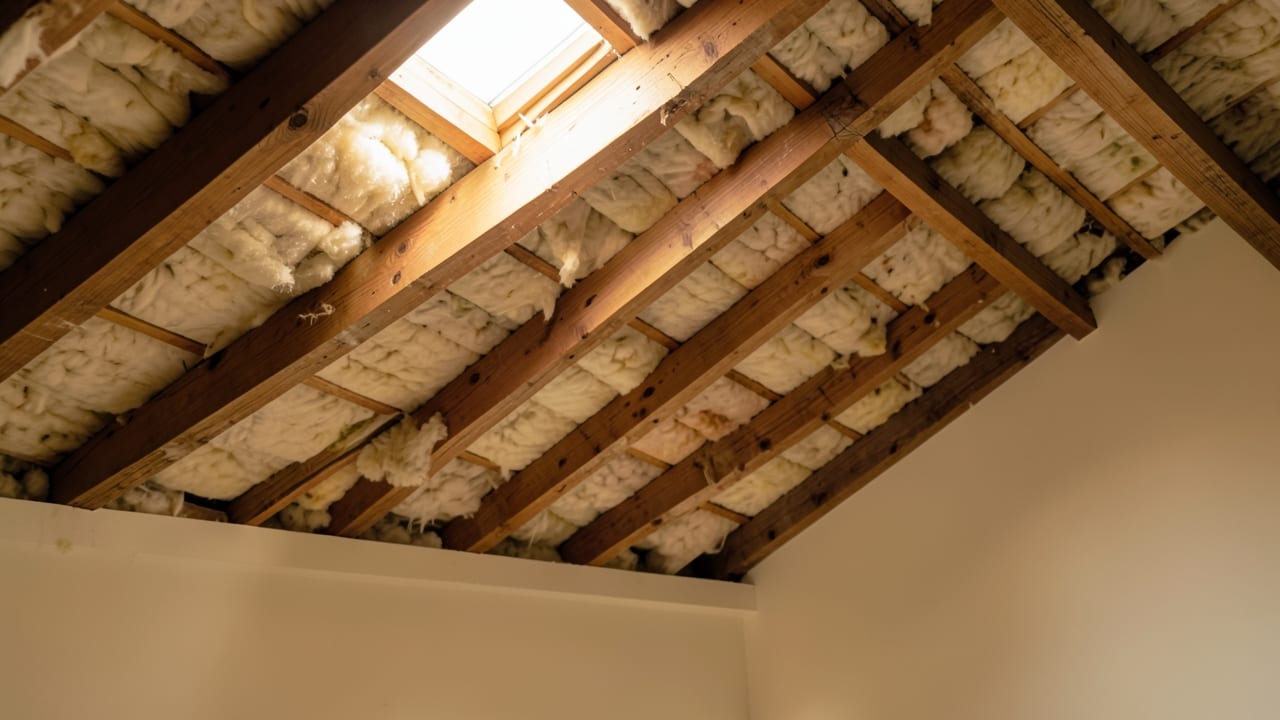
Attic Mold Remediation in Lehi, UT
Attic mold remediation in Lehi, UT addresses roof-deck growth typically caused by poor ventilation or a hidden roof leak.
Learn More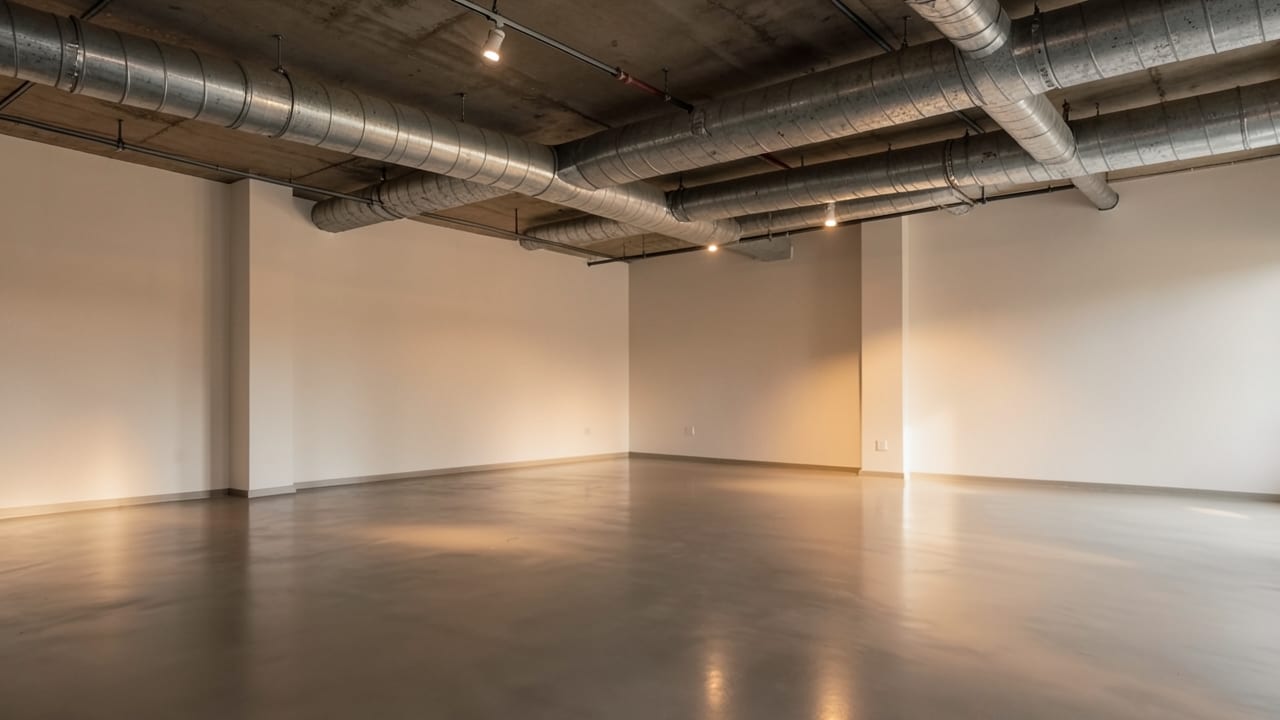
Commercial Mold Remediation in Lehi, UT
Commercial mold inspection and remediation in Lehi, UT for offices, retail space, and multi-unit properties, scheduled around business operations.
Learn More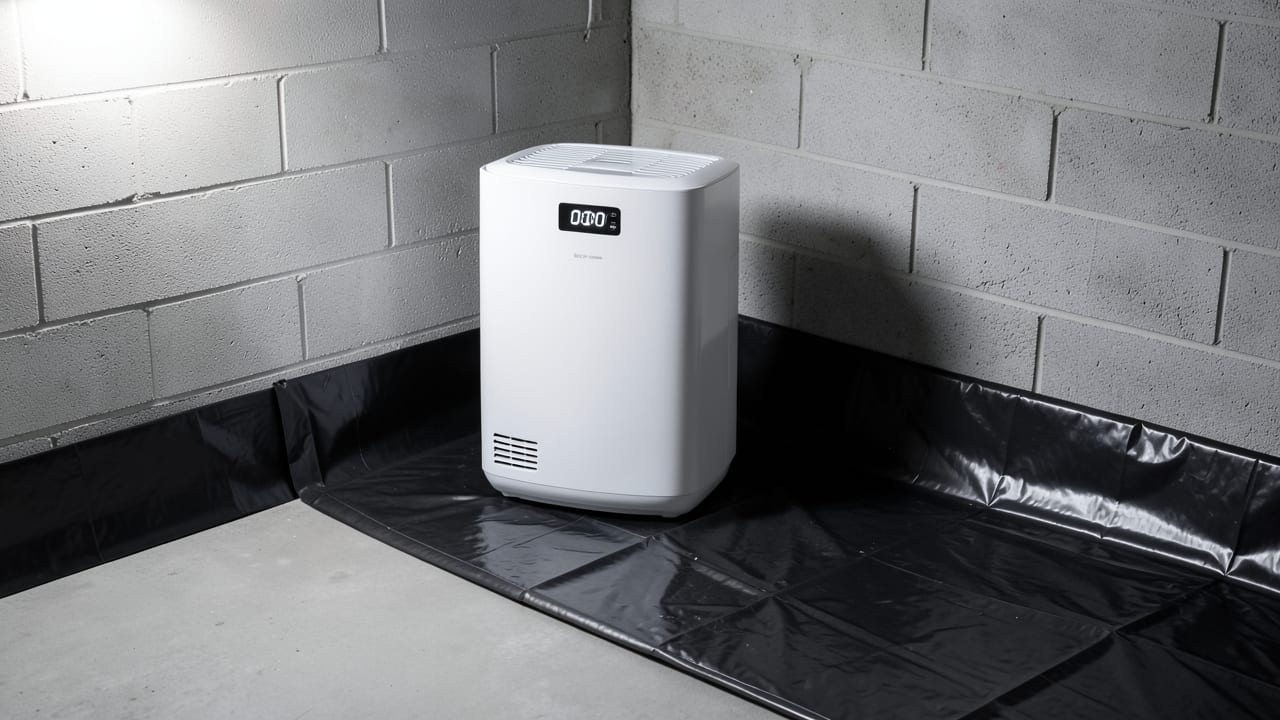
Mold Prevention & Moisture Control in Lehi, UT
Mold prevention and moisture control in Lehi, UT — addressing ventilation, humidity, and drainage before growth starts, not after.
Learn More
Mold & Asbestos Testing in Lehi, UT
Combined mold and asbestos testing in Lehi, UT — one inspection visit, lab-verified results for both.
Learn More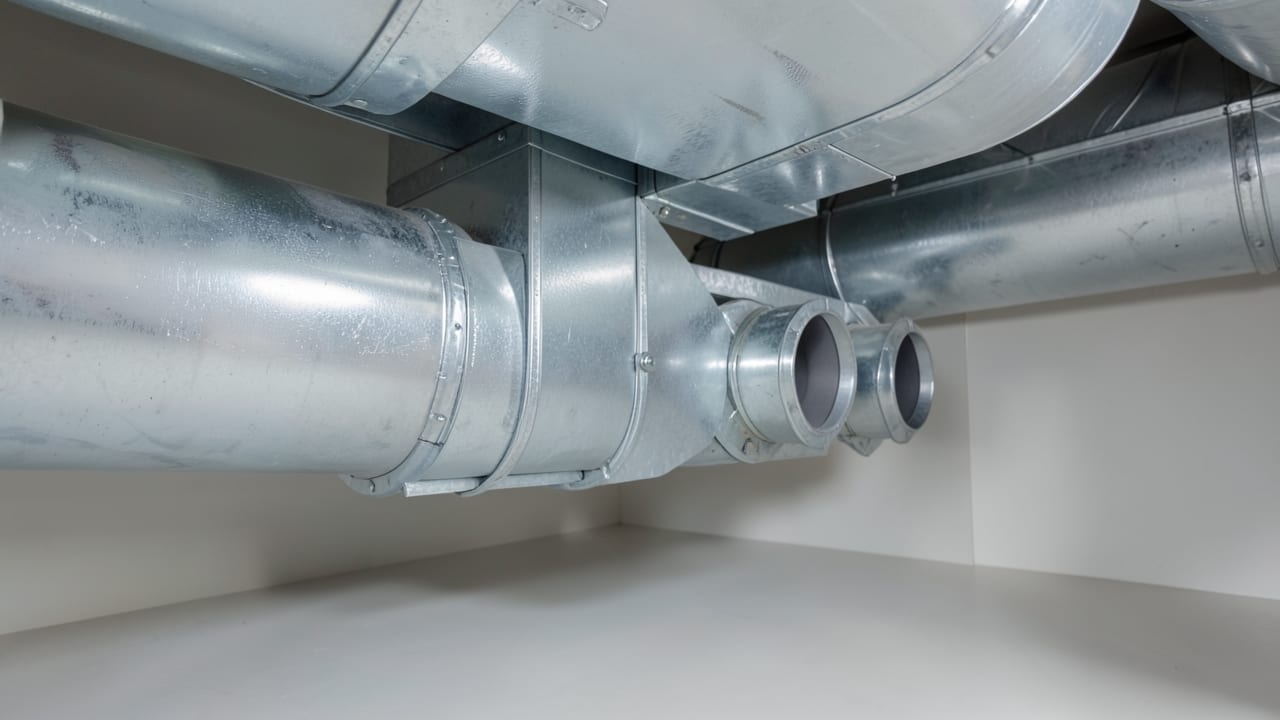
HVAC Mold Remediation in Lehi, UT
HVAC and ductwork mold remediation in Lehi, UT — mold growing inside the air handler or duct system, spreading through every vent.
Learn MoreCommon Questions About Mold Remediation in Lehi
Everything you need to know about mold remediation services in Lehi
How much does Tile & Grout Mold Cleanup typically cost in Lehi, UT?
Can mold really be a problem in a dry climate like Lehi, UT?
Is it safe to stay in the home during mold remediation?
Can small mold problems be handled without hiring anyone?
What's the actual difference between mold removal and mold remediation?
Is a final clearance test part of a typical mold remediation job?
Need Mold Remediation in Lehi?
Connect with local providers in Lehi for a detailed quote.
⏰ We answer your call • Serving all of Lehi and surrounding areas