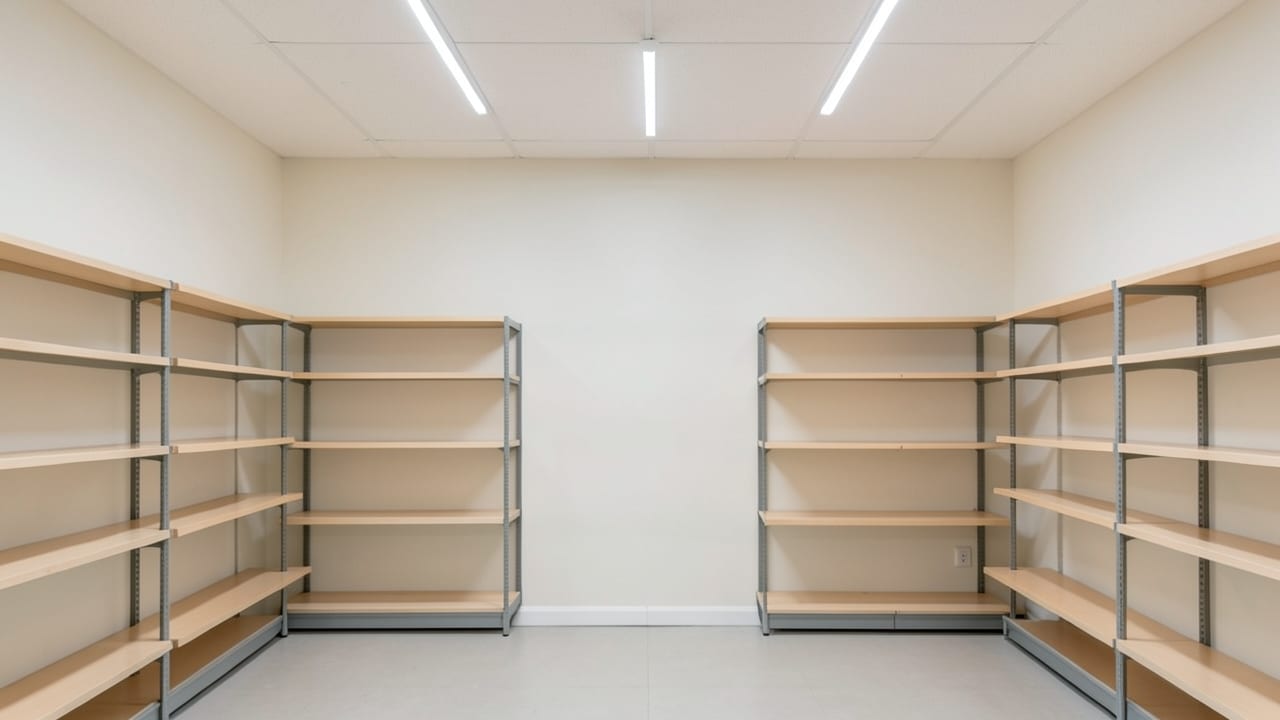
Retail Store Mold Remediation
Professional mold removal and remediation for retail stores to restore safe, clean environments.
Mold in your home can spread quickly, especially in areas where moisture lingers—like basements, bathrooms, or behind appliances. In Lehi, UT, proper mold remediation involves containment, removal, and drying to prevent regrowth.
Unlike surface cleaning, professional remediation targets hidden growth, fixes moisture sources, and ensures air quality is restored safely. Recognizing when a problem requires professional help can save time and prevent further damage.
We also handle Mold Prevention & Moisture Control and Mold & Asbestos Testing for Lehi properties.
When to call for mold remediation
Mold growth beyond a small patch—especially if it keeps returning after cleaning—often signals a deeper issue. Musty odors with no visible mold, or smells that worsen when the HVAC runs, may mean hidden growth in walls, ducts, or under flooring.
In Utah, growth covering more than 25 contiguous square feet typically requires professional remediation, as DIY methods can spread spores or miss hidden moisture sources.
Stagnant areas like windowless bathrooms, closets, or basements are high-risk zones. If mold reappears in the same spot, it usually means the underlying moisture problem wasn’t addressed. A professional inspection can pinpoint leaks, poor ventilation, or grading issues contributing to regrowth.
Signs You Need Professional Mold Remediation
- Mold covers more than a small, isolated patch (e.g., larger than 25 sq. ft.)
- Musty smell with no visible mold, especially when HVAC is on
- Mold keeps returning after cleaning, even in the same spot
- Visible growth on porous materials (drywall, carpet padding, insulation)
- Condensation or water stains on walls/ceilings, even after drying
How pricing and scope affect costs
Mold remediation costs depend on the size of the affected area, the materials involved, and whether hidden growth is found during removal. Containment, HEPA filtration, and clearance testing are often priced separately, so a low upfront estimate may not include these critical steps.
Complex jobs—like those involving HVAC systems or shared walls—can take longer and require phased work, which may increase labor costs.
Post-remediation clearance testing confirms spore levels are back to normal, but this step isn’t always included in initial quotes. Skipping it leaves no proof the job was fully resolved.
Always ask for a written scope of work before any demolition begins, as change orders after walls are opened can lead to unexpected expenses.
What to watch for after remediation
Even after mold is removed, regrowth can occur if the moisture source isn’t fixed. Industrial dehumidifiers and air movers dry framing and subfloors to prevent this, but checking humidity levels in the treated area for the first year is a good practice.
Rooms that stay damp—like basements or closets—may need a small fan or dehumidifier to improve airflow and prevent recurrence.
Outdoor factors, like soil sloping toward your foundation or downspouts draining near walls, can reintroduce moisture. Addressing these issues during or after remediation helps ensure the problem doesn’t return. Always confirm the crew identified and addressed the root cause, not just the visible mold.
Removing mold without fixing leaks, condensation, or grading issues leaves materials vulnerable. A musty smell after remediation often signals lingering hidden growth.
How mold remediation works
Professional remediation follows strict steps to contain spores, remove affected materials, and restore air quality.
- 1Containment
Plastic sheeting and negative-air machines seal the work area to prevent spores from spreading to unaffected parts of the home. This step is critical before any materials are disturbed.
- 2Removal
Porous materials like drywall or carpet padding, which absorb mold, are cut out and bagged inside containment. Non-porous surfaces (tile, metal framing) are scrubbed and treated instead of discarded.
- 3HEPA Filtration
HEPA air scrubbers and vacuums run continuously to capture spores stirred up during removal. Standard shop vacuums recirculate spores, worsening contamination.
- 4Structural Drying
Industrial dehumidifiers and air movers dry framing and subfloors to normal moisture levels. Mold regrows on damp materials even after visible traces are removed.
- 5Clearance Testing
An independent lab tests air or surfaces post-remediation to confirm spore levels are back to normal. This step ensures the job is complete before containment is removed.
Frequently asked questions
Can I clean small mold patches myself, or should I call a professional?
Small, isolated patches (under 25 sq. ft.) can often be cleaned with detergent and water, but hidden growth or moisture issues may require professional remediation. If mold keeps returning or you smell it without seeing it, call a specialist to avoid spreading spores.
How long does the remediation process take?
Containment, removal, and drying typically take 2–5 days, depending on the size and complexity of the job. Clearance testing adds another 1–3 days. The crew will provide a timeline after inspecting the affected area.
Will my home’s air quality improve after remediation?
HEPA filtration and containment are designed to capture spores and restore air quality, but results depend on fixing moisture sources and proper drying. Clearance testing confirms whether spore levels are back to normal.
Do I need to leave my home during the process?
If containment is limited to one room, you may stay in other areas, but some projects require full-house containment. The crew will advise you on safety measures during the work.
Where Lehi sits, and what the Census lists nearby
Lehi sits in Utah, and the closest places listed in the U.S. Census Gazetteer are Highland (4 miles east), American Fork (4.8 miles southeast), Bluffdale (5.4 miles northwest), Saratoga Springs (5.5 miles southwest). Within 25 miles of Lehi the same source lists 47 distinct incorporated places and census-designated places.
Those figures matter for retail store mold remediation because they are straight-line distances between Census coordinate points: road mileage between Lehi and Highland runs longer than the 4 miles shown, which is why quotes for the same job differ between towns that look close together on a map.
Source: U.S. Census Bureau Gazetteer.
See Cottonwood Heights, UT for more, or take a look at every option available in Lehi side by side for our complete lineup.
Ready to get started?
Talk to a local mold remediation pro in Lehi — get a written quote.
Other Mold Remediation Services in Lehi
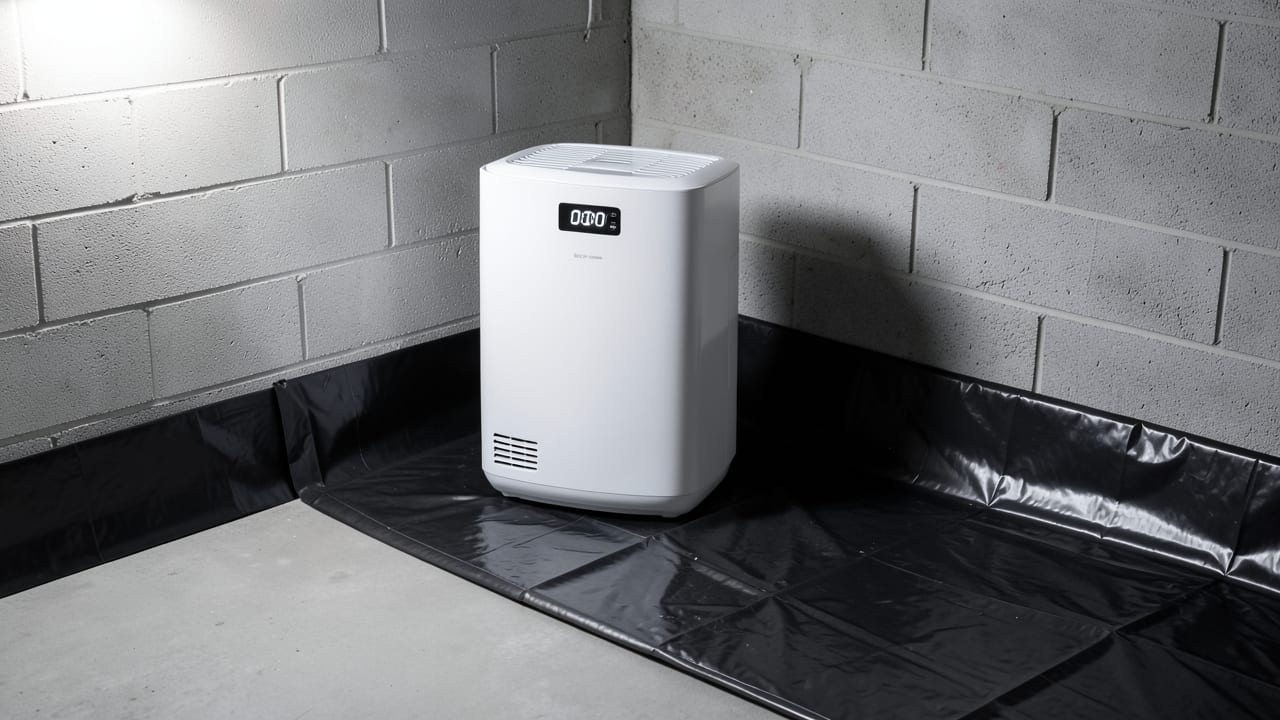
Mold Prevention & Moisture Control in Lehi, UT
Mold prevention and moisture control in Lehi, UT — addressing ventilation, humidity, and drainage before growth starts, not after.
Learn More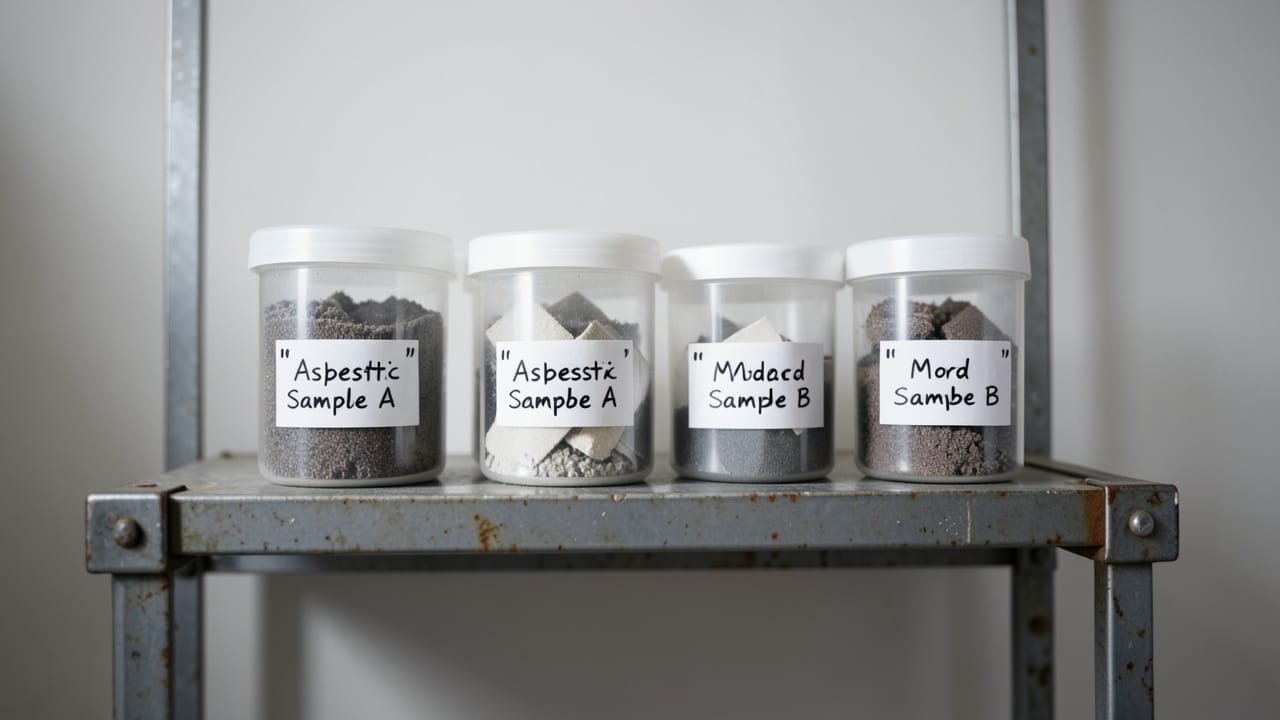
Mold & Asbestos Testing in Lehi, UT
Combined mold and asbestos testing in Lehi, UT — one inspection visit, lab-verified results for both.
Learn More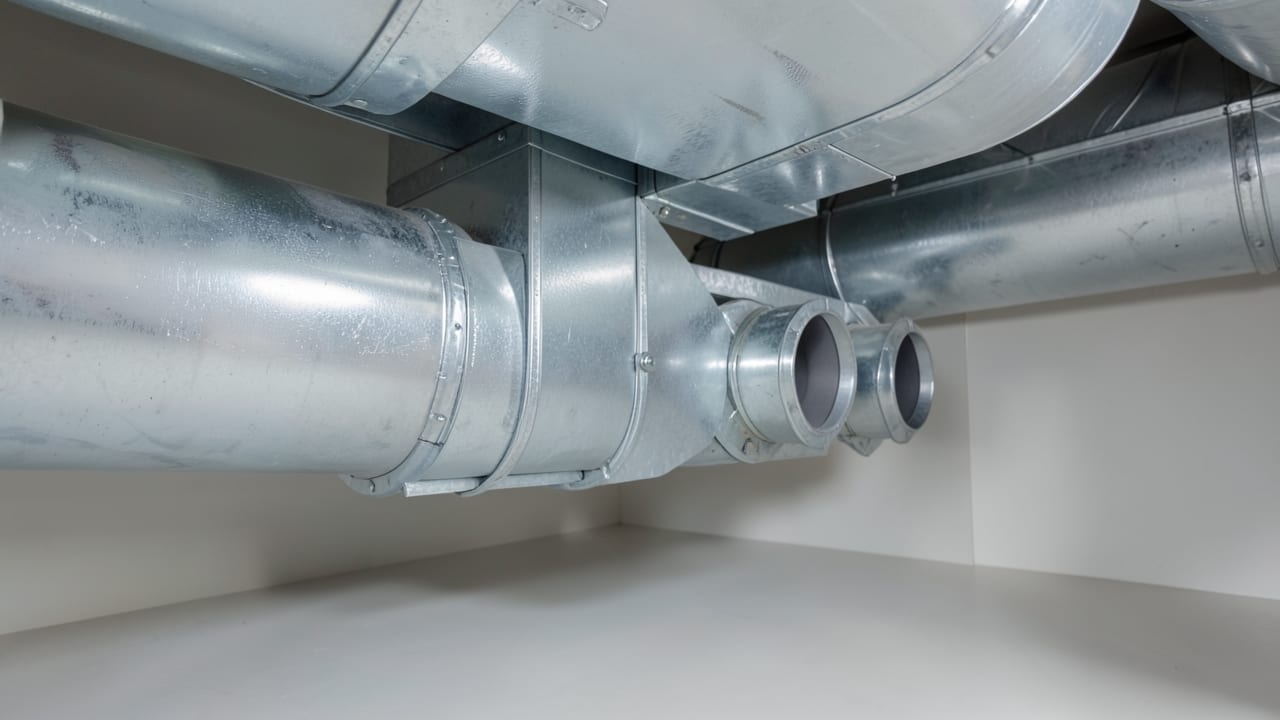
HVAC Mold Remediation in Lehi, UT
HVAC and ductwork mold remediation in Lehi, UT — mold growing inside the air handler or duct system, spreading through every vent.
Learn More
Drywall Mold Remediation in Lehi, UT
Professional removal and treatment of mold growth behind or on drywall surfaces.
Learn More
Bathroom Mold Removal in Lehi, UT
Professional assessment and removal of mold in bathrooms to restore a safe, clean environment.
Learn More
Kitchen Mold Cleanup in Lehi, UT
Professional assessment and removal of mold in kitchen areas to restore a safe, clean environment.
Learn MoreCommon Questions About Mold Remediation in Lehi
Everything you need to know about mold remediation services in Lehi
How much does Retail Store Mold Remediation typically cost in Lehi, UT?
Can mold really be a problem in a dry climate like Lehi, UT?
How does mold remediation actually prevent the problem from coming back?
Can mold growing inside HVAC ductwork spread to the rest of a home?
Does mold mean the same thing as mildew?
Does homeowners insurance typically cover mold remediation?
Need Mold Remediation in Lehi?
Connect with local providers in Lehi for a detailed quote.
⏰ We answer your call • Serving all of Lehi and surrounding areas